
Cold weather has always been the Achilles’ heel of electric vehicles. Batteries drain faster, charging slows down, and range estimates you trusted all summer suddenly feel like wishful thinking. So when Kia sent a prototype of its upcoming EV2 to one of the harshest winter range tests on the planet, expectations were modest. The results? Anything but.
- A Kia EV2 prototype took part in a brutal subzero group range test in Norway and lost less than 25% of its claimed range, winning the test.
- The prototype covered 193 miles (310.6 km) in the test, resulting in a 63.6-mile loss, approximately 24.8% below the WLTP range.
- It was charged from 8% to 80%, adding 45.4 kWh back into the battery in just under 37 minutes, with a peak of 97 kW and an average power of 74 kW throughout the session.
What Is the El Prix Winter Test, and Why Does It Matter?
Kia entered a prototype of its smallest electric model, the EV2, in the Norwegian Automotive Federation’s (NAF) El Prix Winter Test Drive, an annual group winter range test designed to compare an EV’s claimed range with its real-world performance when temperatures dip well below freezing. Motor.no’s editors take dozens of new EVs on a predetermined route to see how far they can make it in the freezing cold of the Scandinavian Peninsula.
This isn’t some gentle lab simulation. The test conditions never saw temperatures exceed 17.6°F (-8°C), with a low of -31°C (about -24°F). Cars drive until they simply can’t sustain the speed limit anymore. None of the cars could reach their advertised range figures, but there were plenty of surprises. If you’ve been thinking about switching from a gas-powered sedan like the Kia K5 to an electric vehicle but worry about cold-weather range loss, a test like this tells you way more than any spec sheet ever could.
How the EV2 Prototype Performed
The participating EV2 was the long-range 61-kilowatt-hour battery version, which goes into production in Slovakia in July. Kia notes that while its European WLTP range figure is not yet final, it’s expected to achieve 278 miles (448 km) or 256 miles (413 km) when equipped with the larger 19-inch wheels.
The prototype covered 193 miles (310.6 km) in the test, resulting in a 63.6-mile (102.4 km) loss, approximately 24.8% below the WLTP range. That might sound like a lot on paper, but put it in context. Range can drop between 20 and 40 percent depending on the model, its technical details, and road conditions. Losing under 25% in temperatures that plunged to -31°C is genuinely impressive for any EV, let alone one of the smallest and most affordable in Kia’s lineup.
The EV2 isn’t mentioned on the official results page (presumably because it’s not a finished production car), but Kia points out that it performed better than all other cars that took part in the test. The next best car in the group range test was the Hyundai Inster.
Cold Weather Charging Held Up, Too
Range is only half the equation in winter. Charging speed matters just as much, and freezing batteries are notoriously slow to accept power.
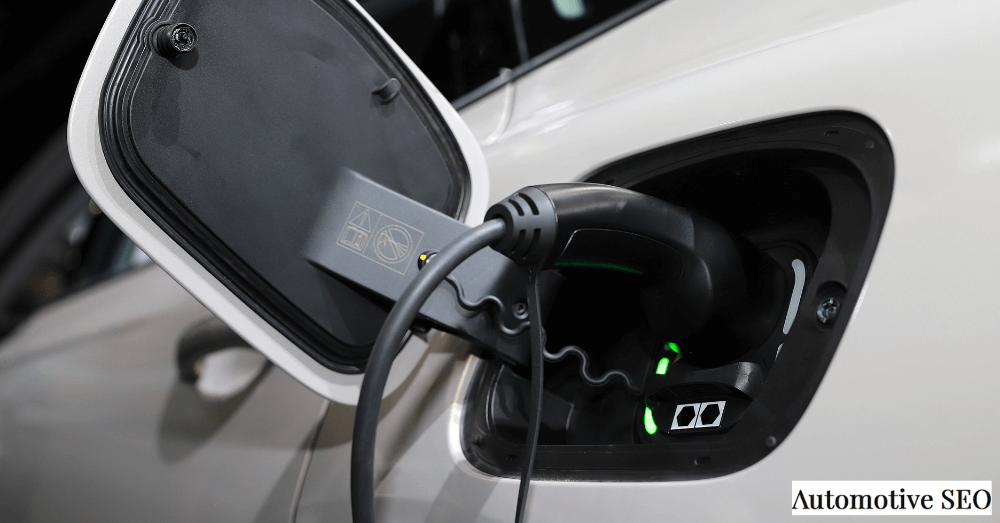
The EV2 held its own at the charger. It went from 8% to 80%, adding 45.4 kWh back into the battery in just under 37 minutes, with a peak of 97 kW and an average power of 74 kW throughout the session. The manufacturer says it should charge from 10% to 80% in exactly 30 minutes (without confirming its peak charging power rating), so its cold-weather performance in Norway is impressive.
That six-minute gap between the official charging time and the real-world arctic result is surprisingly small. Most EVs see a far bigger penalty when the mercury drops that low.
What About the Competition?
Another Slovakia-built Kia, the EV4 hatchback, also participated in the test. With its long-range 81.4 kWh battery, it’s rated at up to 369 miles (594 km) and it lost 126 miles (204 km), which is almost double the loss compared to the EV2. Most EVs struggled in this year’s test, with the Lucid Air coming 274 miles (440 km) short of its claimed range.
The winter edition’s record holder is the Tesla Model S, which managed to squeeze out 330 miles (530 km) from a full charge in 2023. This year, the Lucid Air got close, driving 323 miles (520 km), but the much lower temperatures likely prevented it from setting a new record.
The fact that a compact, budget-friendly prototype kept its range loss percentage lower than larger, more expensive EVs says a lot about Kia’s thermal management engineering.
What We Know About the Production EV2
The Kia EV2 is a battery electric small hatchback from Kia, officially unveiled at the Brussels Motor Show on January 9, 2026. The EV2 is based on the E-GMP 400V architecture with two battery choices: 42.2 kWh and 61 kWh units that provide up to 197 and 278 miles of WLTP range respectively.
The EV2 will become the most affordable entry point to Kia’s expanding electric vehicle lineup, with a starting price of around €30,000 (£26,000). The 42.2kWh standard-range battery version is currently in production, with the 61.0kWh long-range and GT-line variants following from June 2026.
Can a Small EV Really Be a Winter Warrior?
This Norwegian test answers a question plenty of cold-climate drivers have been asking: can a small, affordable electric car actually work through a real winter? Based on these results, the EV2 makes a strong case. Keeping range loss under 25% at -31°C, while charging at near-normal speeds, puts it ahead of vehicles costing two or three times as much.
When the production version starts rolling out of Slovakia later this year, it’ll be interesting to see whether the final numbers match what this prototype just did in the Norwegian mountains. If they’re even close, Kia will have a real contender on its hands for European buyers who want an EV that doesn’t flinch at the first frost.
This post may contain affiliate links. Meaning a commission is given should you decide to make a purchase through these links, at no cost to you. All products shown are researched and tested to give an accurate review for you.